

Those who have left their homeland, swept along by the forces of history or choices that they made in the name of survival to settle in foreign lands, along with their descendants, are called “diaspora.”
Today, as the number of immigrants and refugees increases worldwide amid a growing wave of nationalism and backlash against multiculturalism, the existence of these people has taken on a significance imbued with an unprecedented sense of urgency. Even among Asian countries, a large number of diasporas has emerged in neighboring South Korea, against the backdrop of its turbulent history that includes colonial rule, the Korean War, authoritarian regimes and democratization, rapid economic development, and globalization. The existence of the “Korean diaspora,” however, has up until now been often discussed within fixed frameworks defined by the nation state and ethnicity, with the result that its diversity and fluidity have not been fully acknowledged.
Through a showcase of works and other related materials by three artists who have migrated from South Korea to foreign lands, or have South Korean roots, this exhibition traces the trajectory of the Korean diaspora from the 20th through 21st centuries. Quac Insik (born in 1919 in Daegu Metropolitan City, present-day South Korea; died in 1988 in Tokyo), who immigrated to Japan; Song Hyun-Sook (born in 1952 in Jeollanam-do, South Korea; currently based in Hamburg, Germany), who immigrated to Germany; and Alexander Ugay (born in 1978 in Kyzylorda, Kazakhstan; currently based in Almaty and Seoul), have each explored within their distinct geopolitical contexts the intersection of national and personal memory, the conflicts that occur between migration and identity, and the act of wavering between homeland and foreign land through their unique modes of artistic expression. When we engage with the works and life stories of these artists who have lived in different places and continue to create against a backdrop of diverse languages and cultures, it becomes clear that the diasporic experience is not merely one of loss or disconnection. Through the practices of these three artists who have traversed multiple regions, languages, and cultures, this exhibition seeks to reexamine memories that straddle and overlap borders, as seen from a new and fresh perspective.
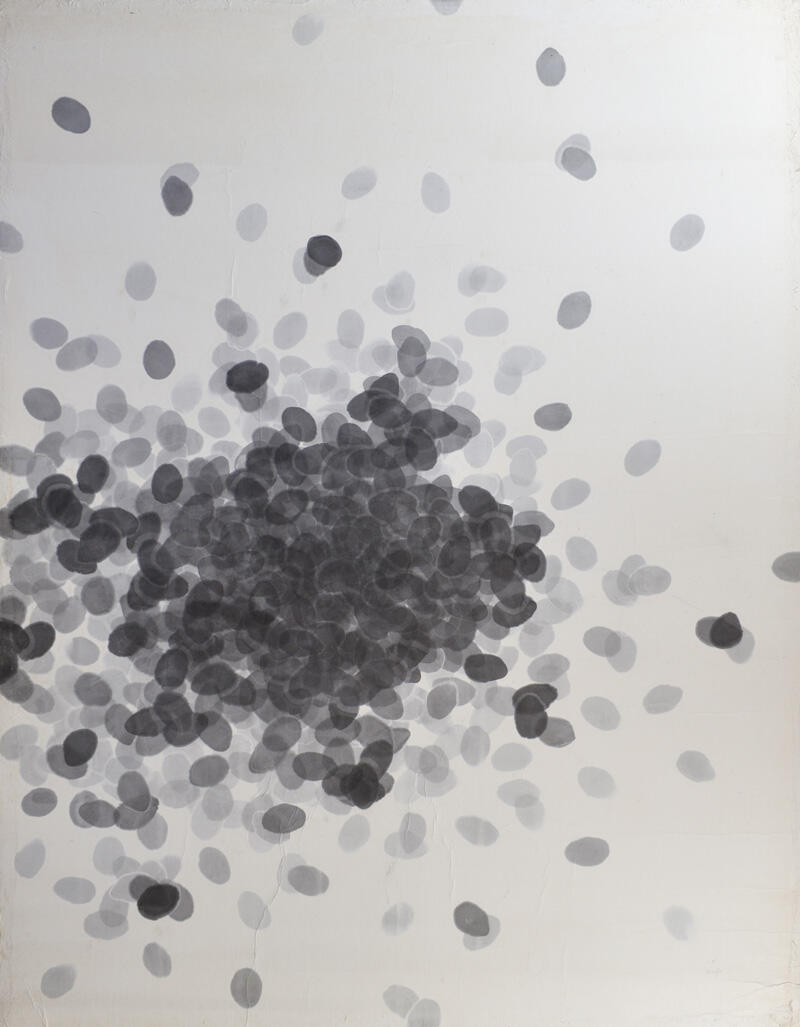
Work 86
1985
Collection: GalleryQ, Tokyo
Photo Courtesy: GalleryQ
Work 86
1985
Collection: GalleryQ, Tokyo
Photo Courtesy: GalleryQ
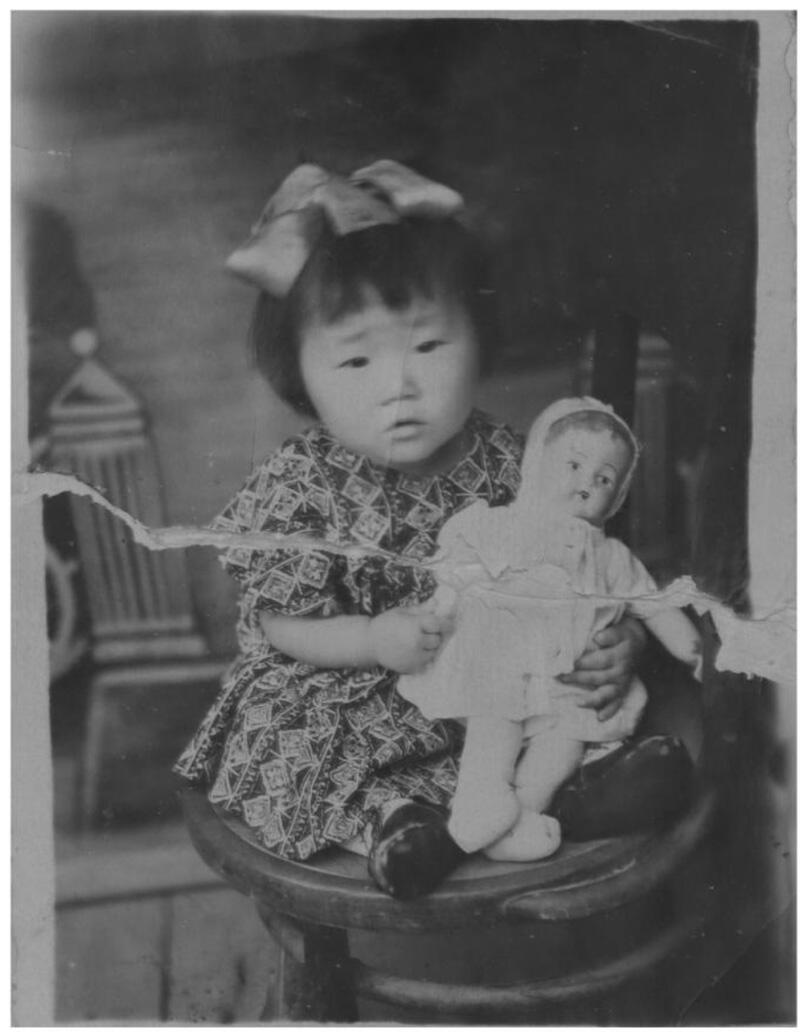
Untitled (Photo of the mother)
2025
Untitled (Photo of the mother)
2025
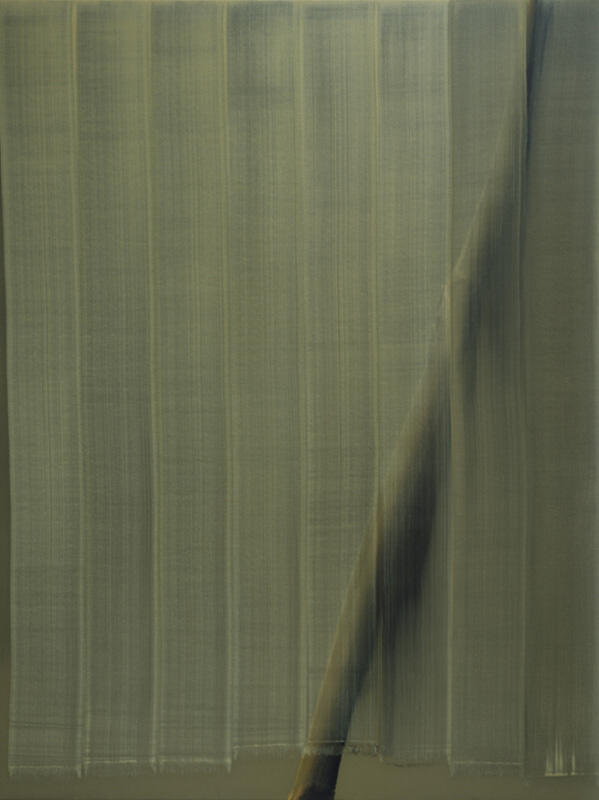
8 brushstrokes on 1 brushstroke, May 5, 2004
2004
Collection: Mori Art Museum, Tokyo
8 brushstrokes on 1 brushstroke, May 5, 2004
2004
Collection: Mori Art Museum, Tokyo
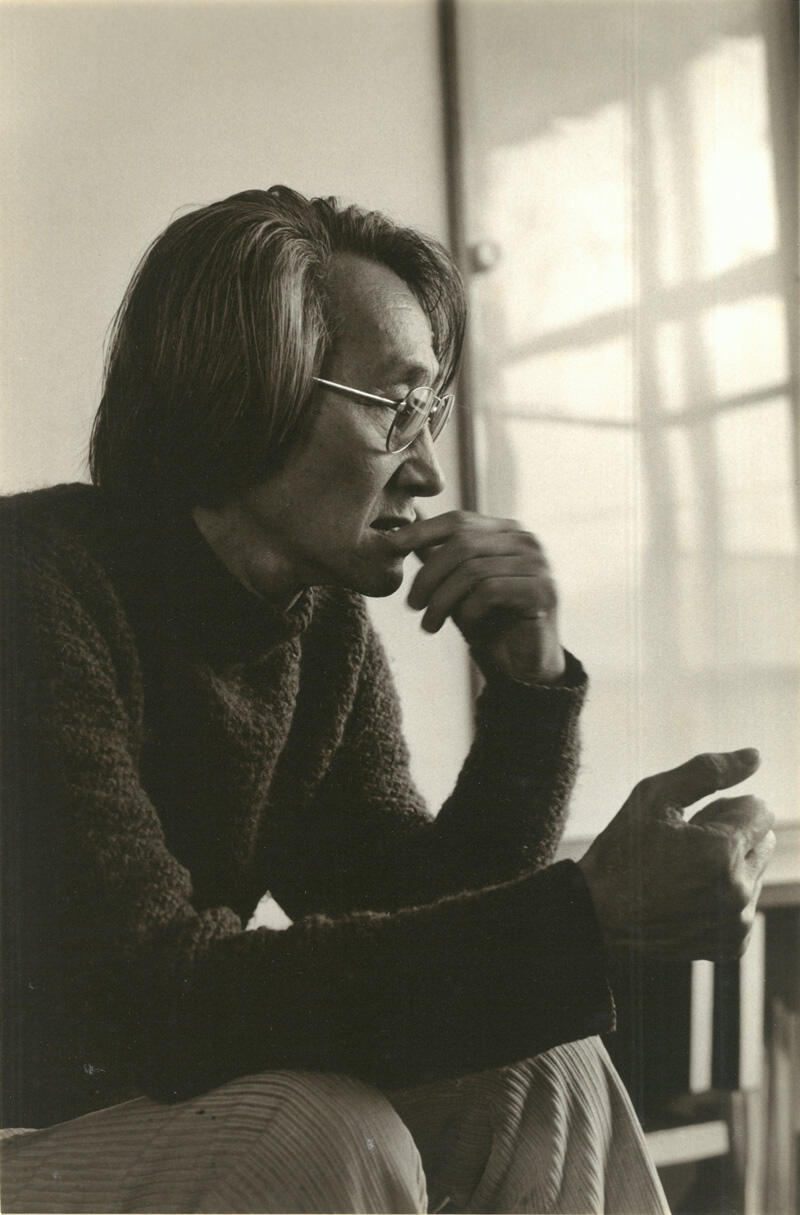
Photo: Katayama Setsuzo
Photo Courtesy: GalleryQ
Photo: Katayama Setsuzo
Photo Courtesy: GalleryQ
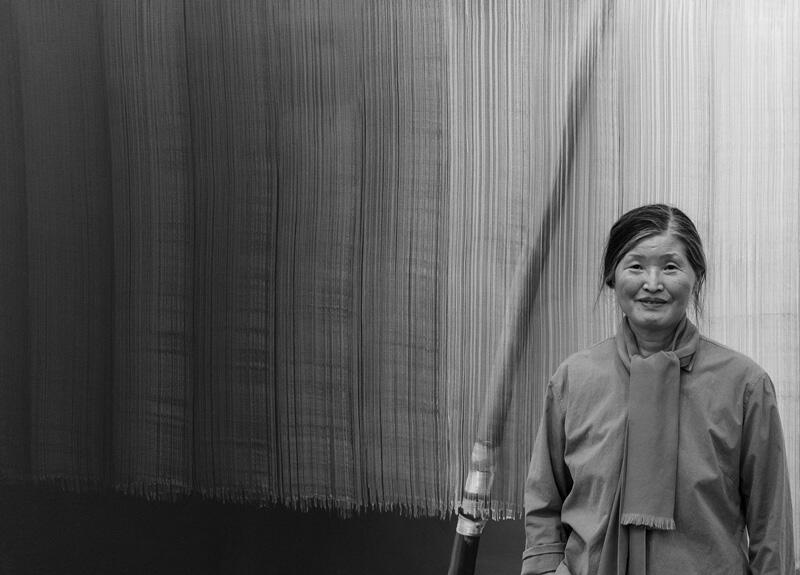
Photo: Timo Ohler
Photo Courtesy: Gallery Sprüth Magers
Photo: Timo Ohler
Photo Courtesy: Gallery Sprüth Magers


 Do NOT touch the artworks.
 Be careful NOT interfere with other visitors’ enjoyment of the museum.
 Do NOT use flash lighting.
 Do NOT use tripods and selfie sticks.
 Filming, where allowed, must be limited to one minute maximum.

 About MAM Research